Choosing a digital payment method involves more than speed. Users need to understand transaction security, bank policies, privacy, fees, and refund procedures before sharing financial information online. UPI, NetBanking, and digital wallets each work differently, and their availability depends on the service, payment provider, and applicable rules.
What Are the Main Payment Methods?
UPI, NetBanking, and digital wallets are widely recognised payment categories in India. However, their general availability does not mean they can legally be used for every online service.
The main differences concern how payments are authorised, where the money comes from, and how users can check transaction records.
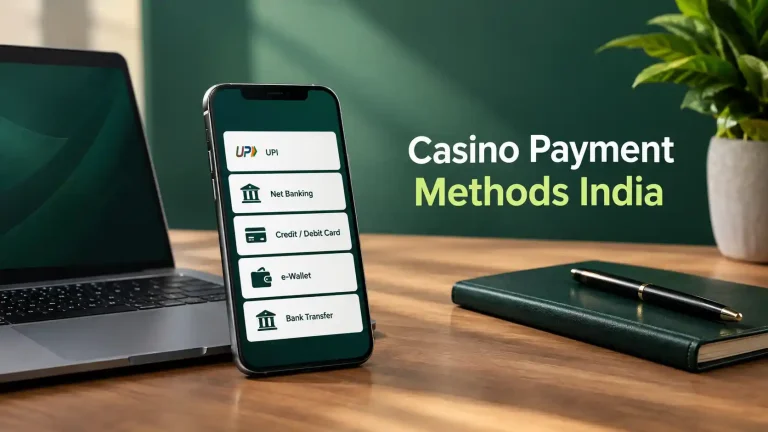
UPI vs NetBanking vs Wallets: Quick Comparison
| Feature | UPI | NetBanking | Digital wallets |
| How it works | Uses a linked bank account | Uses a bank’s online banking service | Uses a wallet balance or supported funding method |
| Payment authorisation | UPI app and UPI PIN, as applicable | Bank login and required authentication | Wallet authentication and applicable payment checks |
| Typical convenience | Quick payments through supported apps | Direct access through a bank | Convenient for supported wallet transactions |
| Transaction records | UPI app and bank statement | Bank transaction history | Wallet transaction history |
| Possible limitations | Bank, app, and transaction limits | Bank-specific limits and security checks | Funding limits, fees, and merchant acceptance |
| Main security concern | Fraudulent requests and fake payment screens | Phishing and stolen login credentials | Unauthorised access and questionable providers |
Note: These are general payment characteristics, not confirmation that any method is permitted for online money gaming.
UPI Payments: How They Work
Unified Payments Interface (UPI) allows users to make supported payments through participating banks and payment applications. It is widely used for everyday transactions, including payments to eligible merchants.
Key features of UPI
- Convenience: Payments can be authorised through a supported app without manually entering full bank account details for every transaction.
- Transaction records: Users can review payment details in their app and bank statement.
- Authentication: UPI transactions use security measures, including a UPI PIN for applicable payment authorisations.
- Limits: Banks and payment providers may apply transaction limits and other restrictions.
UPI’s popularity does not guarantee that a payment will be accepted by a particular website. A payment request may also be rejected by a bank or provider.
What should users check?
Before approving any legitimate UPI payment, verify the recipient’s name, the amount, and the purpose. Never enter a UPI PIN merely to receive money, and do not share your PIN or one-time passwords with another person.
If a website claims that a UPI transfer is required to access a prohibited online money game, do not proceed.
NetBanking: Direct Bank-Based Payments
NetBanking allows customers to access eligible banking services through their bank’s official website or application. Depending on the transaction, users may need to sign in and complete additional authentication.
Benefits of NetBanking
Direct account records: Transactions can generally be checked through the bank’s official transaction history.
Bank-level controls: Banks may apply authentication requirements, transaction limits, and fraud monitoring.
Clearer account oversight: Users can review account activity without relying solely on a third-party website’s payment dashboard.
Potential disadvantages
NetBanking may require additional login steps compared with some app-based payments. Banks can also decline transactions based on account restrictions, security checks, or applicable regulations.
Always access online banking through the bank’s official website or application. Avoid login links received through unsolicited messages, and never disclose banking credentials to a website claiming to process a payment on your behalf.
Digital Wallets: What Users Should Know
Digital wallets allow users to store a supported balance or access payment services through a provider. Features vary, so not every wallet works in the same way.
Common wallet features
- A separate record of supported wallet transactions.
- Convenient payments with participating merchants.
- Provider-specific account verification requirements.
- Possible limits on balances, transfers, or withdrawals.
- Potential fees, depending on the service and transaction type.
Wallets can make eligible payments convenient, but users should verify the provider’s identity, terms, customer support, and applicable regulatory status.
A website displaying a wallet logo does not prove that the wallet provider authorises the transaction. Be especially cautious if a third party asks you to transfer money to a personal wallet or an unfamiliar recipient.
Which Payment Method Is More Convenient?
There is no universal winner. The most appropriate method for a lawful transaction depends on the user’s needs and the payment provider’s requirements.
| User priority | General consideration |
| Quick everyday payments | UPI may be convenient where supported |
| Reviewing bank activity | NetBanking provides direct access to bank records |
| Managing a separate payment balance | A suitable digital wallet may offer this feature |
| Tracking a disputed transaction | Use the relevant bank or provider’s official records and complaint process |
| Protecting sensitive information | Choose trusted providers and use official payment channels |
Convenience should never outweigh legality or security. A fast transaction is not necessarily a safe transaction, and a familiar payment logo is not proof that a website is legitimate.
Common Payment Risks to Recognise
Regardless of the payment method, several warning signs deserve attention.
Unverified payment recipients
Be cautious when a website instructs users to send money to a personal bank account, an unrelated business, or an unfamiliar wallet. A mismatch between the claimed service and the recipient is a reason to stop and verify.
Requests for extra payments
A demand for additional money to release a refund, verify an account, or unlock a transaction should be treated carefully. Verify any claimed charge independently through an official provider.
Requests for confidential information
Never share your UPI PIN, banking password, or one-time password with someone claiming to be customer support. Legitimate support staff should not need your secret authentication credentials.
Unclear refund policies
A trustworthy payment provider should explain its dispute and complaint procedures. Save transaction references, receipts, and relevant communications for legitimate payments, but avoid sending additional funds to recover money from an unverified website.
Final Thoughts
UPI, NetBanking, and digital wallets each offer different ways to manage legitimate digital payments. The right choice depends on convenience, account controls, transaction records, and provider-specific limitations.
When researching slot casino payment methods in India, however, legal compliance must come first. India’s online gaming framework prohibits online money games and associated financial transactions. A website’s payment options are not evidence of legality or trustworthiness. Prioritise official information, protect your banking credentials, and avoid suspicious or prohibited transactions.