
Understanding clash of slots bonus terms is not just about reading a small bonus note before using an offer. It is about knowing what the platform is asking from the user, what limits may apply, and whether the offer is explained in a fair and transparent way. In India, this has become even more important after the Promotion and Regulation of Online Gaming Rules, 2026 came into force on May 1, 2026. These rules created a stronger framework around online gaming, with attention on user safety, age checks, platform accountability, grievance support, and tighter controls around online money-linked gaming.
For users, bonus terms can look boring at first. A few lines about wagering. Some expiry dates. A note about free spins. Maybe a withdrawal limit written somewhere near the bottom. But honestly, this is where the most important information usually sits. A bonus may look simple on the screen, but the terms decide how it works in real use.
That is why this guide explains the main parts of Clash of Slots bonus terms in a plain and practical way. The aim is not to encourage risky play or make any reward sound attractive. The aim is to help users understand conditions like wagering requirements, free spin rules, expiry dates, verification steps, and withdrawal limits before trusting any bonus offer.
Why Users Should Read Clash of Slots Bonus Terms?
A bonus is not just a reward. It is a set of conditions. That is the first thing users should remember.
Many users focus only on the headline number or the visible offer text. They may see free spins, reward credits, cashback-style wording, or a welcome-style bonus and assume the offer is simple. But the real meaning is usually inside the terms. Those terms explain whether the bonus can be used freely, whether it expires quickly, whether it has play-through rules, and whether any reward connected to it can actually be withdrawn.
Under India’s 2026 online gaming framework, this type of clarity matters more than before. The new rules support safer digital gaming and stronger oversight, while also drawing a firm line around online money games and risk-heavy formats. Reports on the rules also highlight user protection features such as age verification, age-gating, time restrictions, parental controls, reporting tools, and fair-play monitoring.
How Wagering Requirements Affect the Real Meaning of a Bonus?
Wagering requirements are one of the most important parts of Clash of Slots bonus terms. They explain how many times a bonus amount or bonus-linked reward may need to be used before it becomes eligible for withdrawal. In simple words, receiving a bonus does not always mean the reward is ready to withdraw.
For example, if a platform says a bonus has a 20x wagering requirement, the user may need to use that bonus amount twenty times under the platform’s stated rules before any related withdrawal is allowed. That sounds straightforward, but the smaller details can change everything. Some games may count fully, may count partly, may not count at all, and other platforms may also cancel the bonus if the user requests withdrawal before completing the requirement.
This is why users should avoid judging a bonus by the headline amount alone. A bigger bonus with unclear wagering rules may be less useful than a smaller bonus with simple, visible, and fair conditions. Good terms should explain the multiplier, eligible activities, balance order, progress tracking, and what happens if the user stops midway.
A trust-building bonus page should also show the wagering progress inside the account. Users should not have to guess whether they are close to completing the requirement. If the platform makes the condition visible, it reduces confusion and gives users better control.
Why Free Spin Rules Should Not Be Treated as Automatically Risk-Free?
Free spins often look harmless because the word “free” sounds simple. But in bonus terms, “free” does not always mean condition-free. A free spin may have an expiry time, eligible game restrictions, reward caps, separate wagering rules, or withdrawal limits.
This is where many users get confused. They may assume that anything received from free spins belongs to them fully. But the terms may say that rewards from free spins must first meet wagering requirements. In some cases, the reward may be capped. In other cases, the spins may work only on selected games or only for verified users.
Users should read free spin rules separately from bonus credit rules because the conditions may not be the same. A bonus credit may have one set of rules, while free spins may have another. If the platform combines both under one vague offer, users should slow down and check the full terms before participating.
A reliable page should clearly state how many spins are available, when they expire, what games they apply to, whether rewards from those spins carry wagering conditions, and whether any maximum withdrawal cap applies. Without these details, the user cannot properly understand the offer.
Expiry Dates Can Decide Whether a Bonus Still Has Any Value?
Expiry dates are small details, but they can decide whether a bonus works at all. A bonus may expire before the user has time to complete the conditions. Free spins may disappear if unused. Wagering progress may reset after a deadline. Bonus-linked rewards may be removed if the terms are not completed within the allowed period.
Users should check two different time limits. The first is the claim expiry, which tells when the bonus must be activated. The second is the usage expiry, which tells how long the user has after activation. These are not always the same. A bonus may be available to claim for several days, but once activated, it may need to be used within a much shorter period.
This is where transparent platforms stand out. They show the expiry date clearly before the user accepts the offer. They also show the remaining time inside the account or bonus wallet. That kind of clarity builds trust because users know what they are agreeing to before they start.
| Expiry Type | What It Means? | What a Clear Platform Should Show? |
| Claim expiry | Final date or time to activate the bonus | Visible on the offer page |
| Usage expiry | Time allowed after activating the bonus | Shown before acceptance |
| Free spin expiry | Deadline for using unused spins | Displayed near the spin balance |
| Wagering expiry | Deadline to complete wagering conditions | Shown with wagering progress |
| Reward expiry | Time before bonus-linked rewards are removed | Explained in plain language |
Withdrawal Limits Should Be Checked Before Focusing on the Bonus Amount
Withdrawal limits are another important part of Clash of Slots bonus terms. Some offers may cap the amount that can be withdrawn from bonus-linked rewards. This means the visible reward balance may not always equal the amount a user can withdraw.
A withdrawal limit is not automatically unfair. Platforms may use limits to prevent misuse of promotional systems. The problem begins when the limit is hidden, unclear, or shown only after the user has completed the bonus conditions. A user should be able to understand the withdrawal cap before accepting the offer.
The terms should also explain whether the limit applies to the bonus amount, free spin rewards, total bonus-linked balance, or the entire account balance. These are very different. If the language is unclear, users may misunderstand the real value of the offer.
Under India’s newer gaming environment, financial flows are being watched more closely, especially where online money games or payment-linked activity is involved. Reports on the 2026 rules highlight stronger scrutiny around real-money gaming, user protection, age checks, and banking-related enforcement.
So, users should treat withdrawal rules as a trust signal. If withdrawal limits are easy to find and easy to understand, that is a good sign. If they are hidden, vague, or changed without notice, that is a reason to be cautious.
KYC, Age Verification, and Account Checks Under the 2026 Rules
KYC and age checks are sensitive topics, but they are also becoming more important in India’s online gaming space. The 2026 framework places strong attention on user safety, including age-verification and age-restriction mechanisms.
This means users may see more platforms asking for identity checks, age confirmation, or account verification before allowing certain features. In some cases, verification may be required before withdrawal. That does not automatically make a platform unsafe. Verification can be part of compliance and fraud prevention.
However, users should still be careful about where they upload documents. A trustworthy platform should explain why verification is needed, what documents are accepted, how user data is protected, and how long the review may take. It should also have a visible privacy policy and support channel.
The risky sign is not KYC itself. The risky sign is unclear KYC. For example, if a platform repeatedly asks for documents without explaining the reason, changes verification demands after a withdrawal request, or uses unofficial communication channels for sensitive uploads, users should not ignore that.
Bonus Abuse Rules and Multiple Account Restrictions Need Clear Wording
Most gaming platforms include rules against bonus abuse. These rules may cover duplicate accounts, repeated bonus claims, fake details, shared devices, VPN use, or multiple accounts connected to the same payment method.
These rules are common because platforms need to prevent misuse. But they should still be written clearly. Users should know what counts as a violation before they accept the bonus. One account per person, one account per device, one account per household, and one account per payment method are not the same thing. Each has a different meaning.
Clear wording protects both sides. It helps platforms control misuse, and it helps genuine users avoid accidental rule-breaking. If Clash of Slots bonus terms include account restrictions, they should explain them in plain language rather than relying only on broad phrases like “platform decision is final.”
Red Flags Users Should Notice in Any Bonus Terms Page
A trust-building bonus page should make users feel informed, not pressured. If the page pushes users to act quickly but hides important conditions, that is a warning sign.
Users should be cautious when bonus terms do not explain wagering requirements, expiry dates, withdrawal limits, eligible games, or verification rules. They should also be careful when different pages say different things. For example, one page may say a reward is withdrawable, while another page says it is promotional credit only. That kind of inconsistency can create disputes later.
Another red flag is the use of unofficial app files, copied branding, mirror links, or support channels that do not match the main platform identity. Users should avoid sharing payment details or identity documents on pages that do not clearly show ownership, policies, contact details, and complaint support.
How Users Can Read Clash of Slots Bonus Terms in a Safer Order?
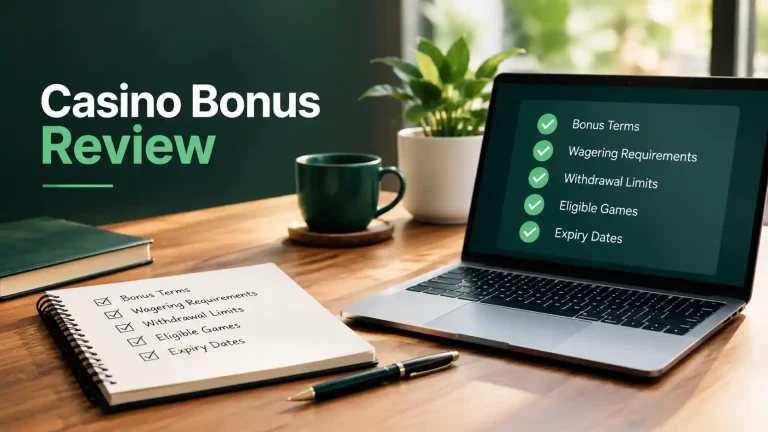
The easiest way to read bonus terms is to follow a simple order. Start with the nature of the offer. Check whether it is only a display reward, a free spin offer, a bonus credit, or a money-linked condition. Then read the wagering requirement. After that, check the expiry date, withdrawal limit, verification rules, and support process.
This order works because it starts with the highest-risk parts first. Many users start with the reward amount, but that is usually not the most important detail. The real value of a bonus depends on the conditions attached to it.
| Reading Step | What to Check | Why It Builds User Safety |
| Step 1 | Identify the type of bonus | Helps users understand whether money-linked conditions may apply |
| Step 2 | Read wagering rules | Shows what must be completed before withdrawal |
| Step 3 | Check free spin conditions | Prevents confusion around rewards and limits |
| Step 4 | Confirm expiry dates | Avoids losing rewards due to time limits |
| Step 5 | Review withdrawal caps | Shows the real usable value of the bonus |
| Step 6 | Check KYC and support rules | Helps users understand verification and dispute handling |
Responsible Use and Trust Under India’s Online Gaming Rules
The main point of India’s 2026 online gaming framework is not just platform growth. It is also user protection, regulatory clarity, and safer digital participation. The rules create an Online Gaming Authority of India and set out a structure for classification, oversight, user safeguards, and compliance.
For users, this means bonus terms should be treated as part of safety checking. If an offer involves deposits, withdrawals, rewards, or financial movement, the user should read the terms carefully before taking any step.
Responsible use also means avoiding emotional decisions. A short expiry timer should not pressure users into accepting something they do not understand. A large bonus amount should not make users ignore withdrawal caps. Free spins should not be assumed to be risk-free unless the rules clearly say so.
Good platforms make conditions visible. Good users read them before acting.
Conclusion
Clash of Slots bonus terms should be read slowly, especially when they mention wagering requirements, free spin rules, expiry dates, withdrawal limits, and verification checks. These sections explain how the offer actually works. The headline may attract attention, but the terms decide the real user experience.
Under India’s Online Gaming Rules, 2026, users should expect stronger transparency, safer platform behaviour, age-related safeguards, and clearer handling of money-linked activity. Any bonus page that hides important conditions should be treated carefully.
Explore today’s related discussions for more information about Clash of Slots payments, withdrawals, and KYC.